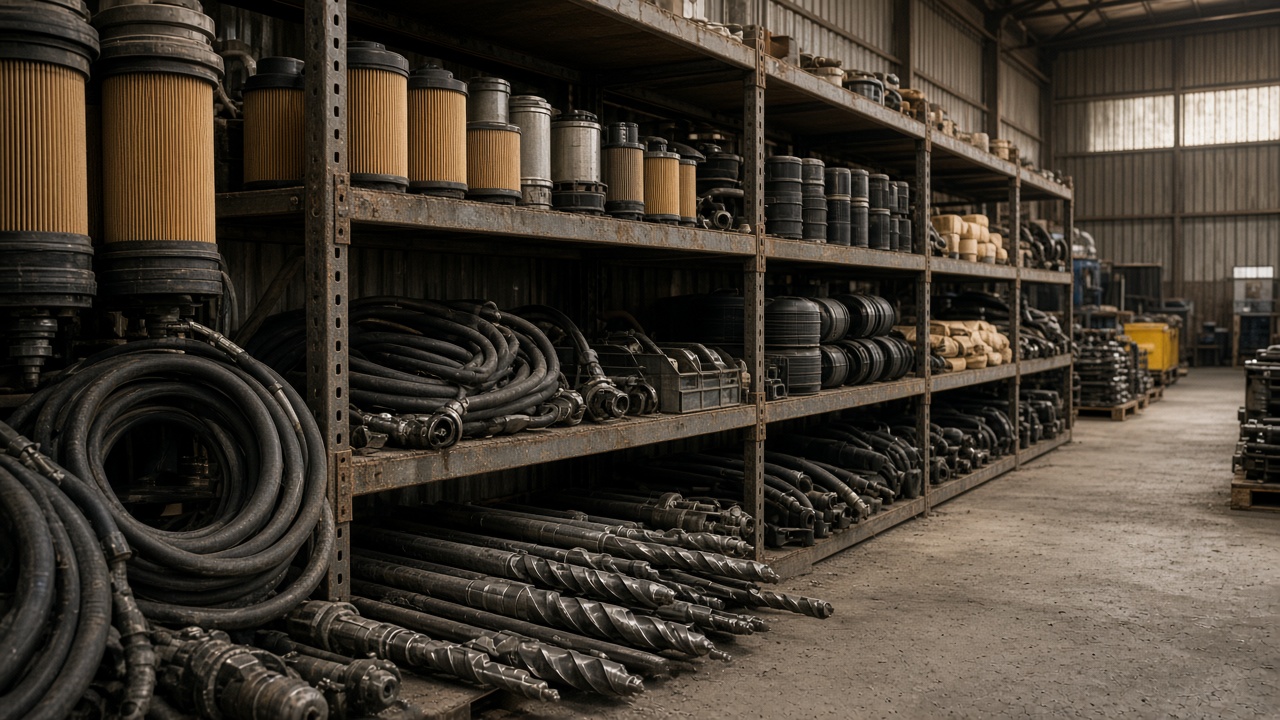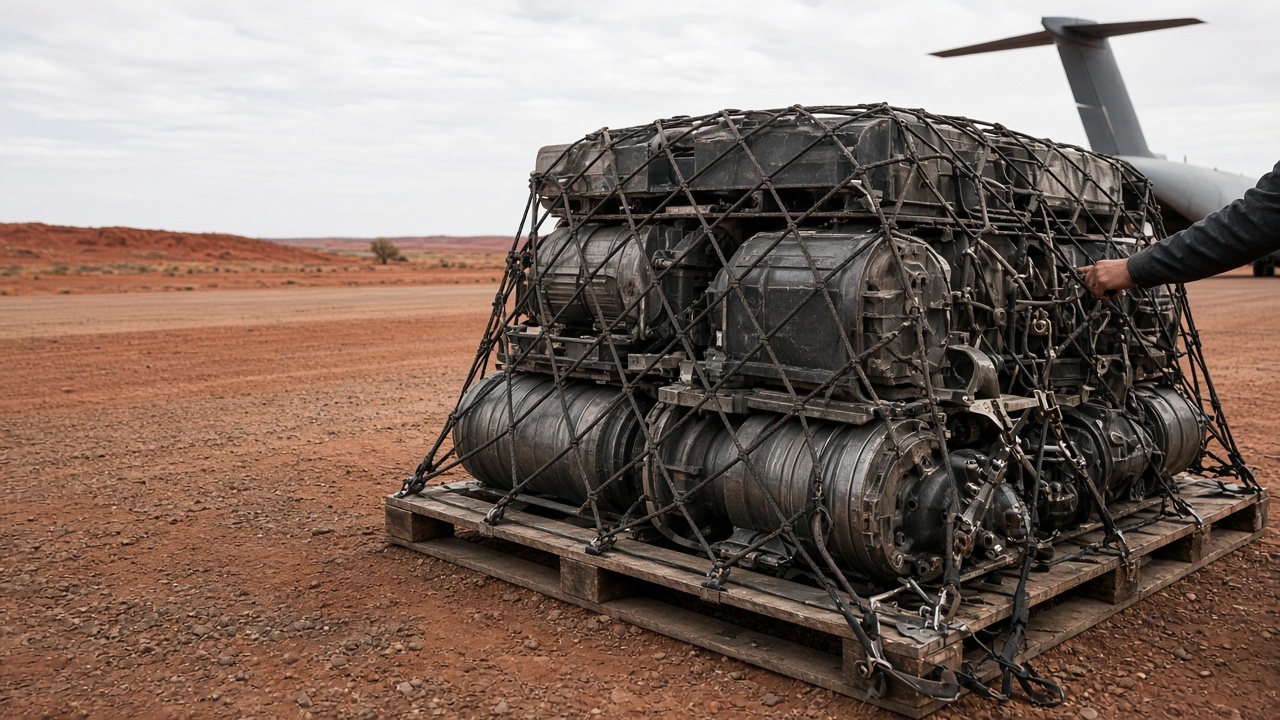
Mining spares project cargo
Client profile: Maintenance contractor supporting a central Queensland site.
Mode: Multi-modal — ocean FCL and domestic oversize road
Challenge
Shutdown windows allowed only narrow installation slots for a rotable unit sourced from Western Australia and ancillary parts from overseas. Dimensions exceeded standard tautliner limits; permits and escorts had to align with police-approved travel times. Any slip threatened multi-million-dollar production loss.
Approach
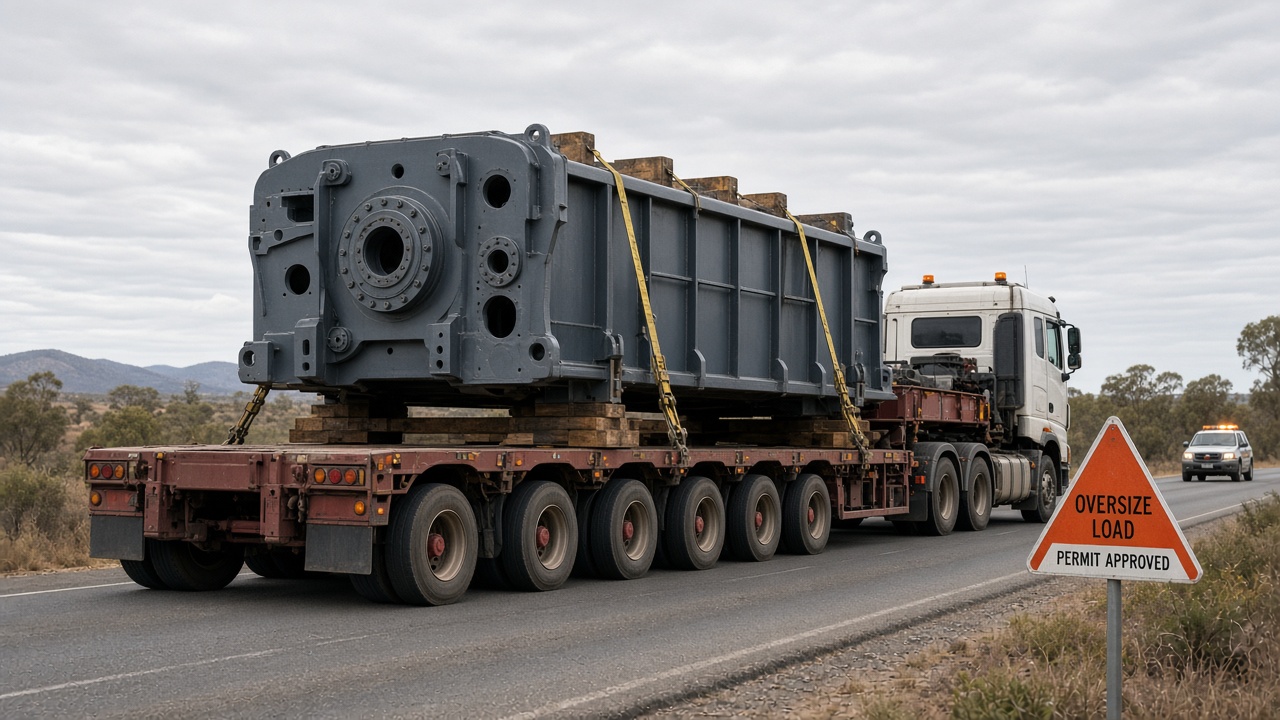
RKM Logistics sequenced overseas parts to arrive before the domestic rotable move, staged both at a Brisbane laydown area, and booked a single oversize convoy with engineered load restraint plans. Daily milestone calls bridged the client’s site superintendent and carriers during the final 48 hours.
Outcome
The rotable arrived at site six hours inside the planned window; overseas ancillaries were kit-checked before lift. Shutdown completed without spare-related delay.
Lessons
Project cargo demands parallel planning of permits and customs — treating them as sequential steps causes idle expensive equipment. Photographic condition surveys at pickup protect insurance discussions if transit damage occurs.
Stakeholder rhythm
Daily calls during the final forty-eight hours included site superintendents, oversize carriers, and our office so rescheduling decisions were made once — not relayed through three separate chains.
Permits and site interface
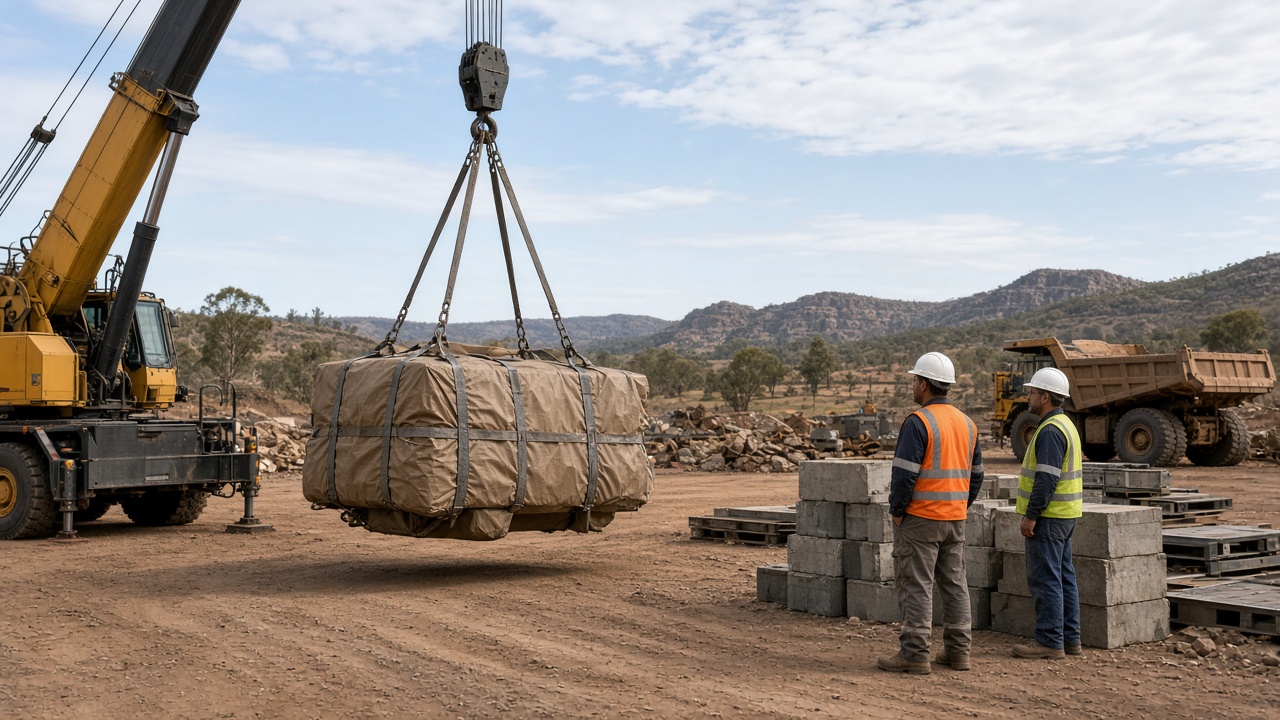
Route surveys included bridge mass limits, overhead constraints, and night-travel curfews. Police escort bookings were treated as critical path items with the same priority as vessel space. Site lift plans were exchanged seven days before convoy departure so rigging crews were not waiting on incomplete paperwork.
Insurance surveys at pickup captured pre-existing cosmetic damage on high-value rotatables, reducing disputed claims after multi-leg transport. Overseas ancillaries were kit-matched to bill of materials before road departure from Brisbane laydown.
Commercial outcome
Shutdown labour and hire costs avoided by early arrival exceeded the incremental project management fee — the client adopted the same sequencing model for the next maintenance window.