Customs and compliance support
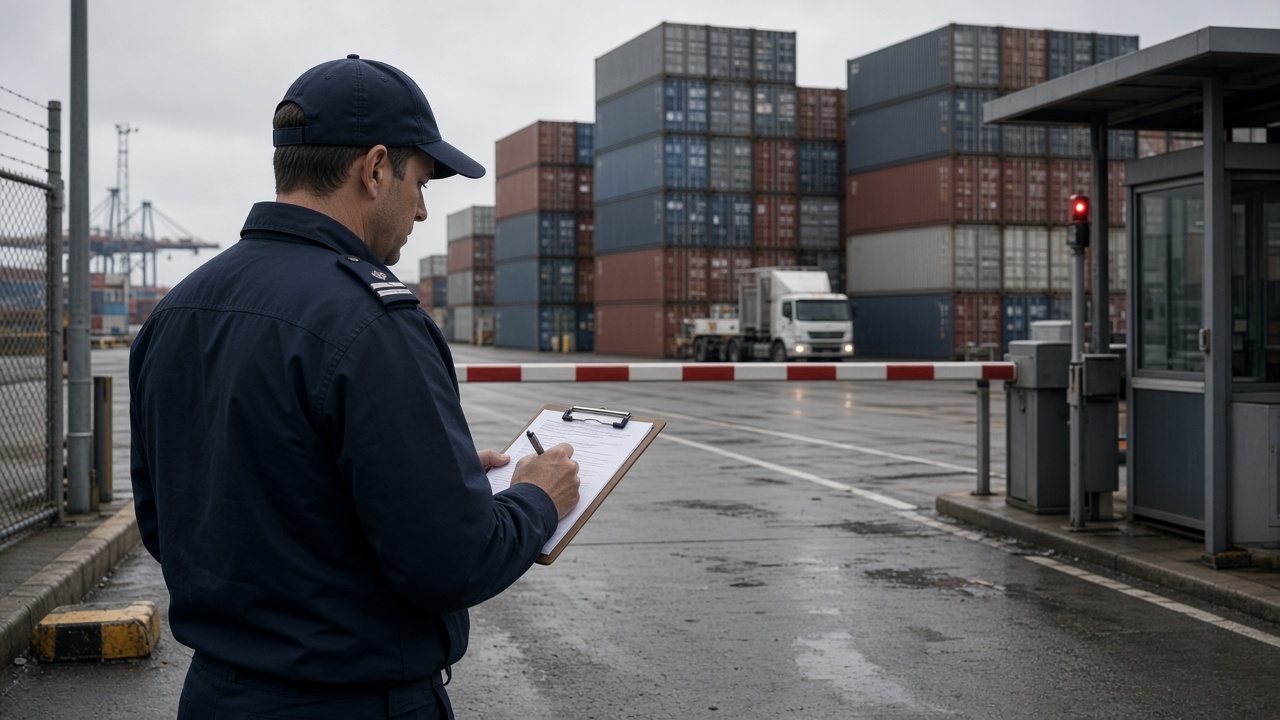
Cross-border trade is governed by Australian Border Force (ABF) regulations, tariff classifications, biosecurity rules, and export controls. RKM Logistics works with licensed customs brokers and in-house specialists to lodge accurate entries, respond to queries, and keep your goods moving lawfully through clearance.

Import clearance
Import entries require correct tariff classification, valuation, origin determination, and permit identification. We collate supplier documents, verify HS codes against product descriptions, and ensure charges such as GST and duty are understood before cargo arrives. Where preferential trade agreements apply, we guide certificate of origin requirements.
- Full import declarations and self-assessed clearance entries where eligible
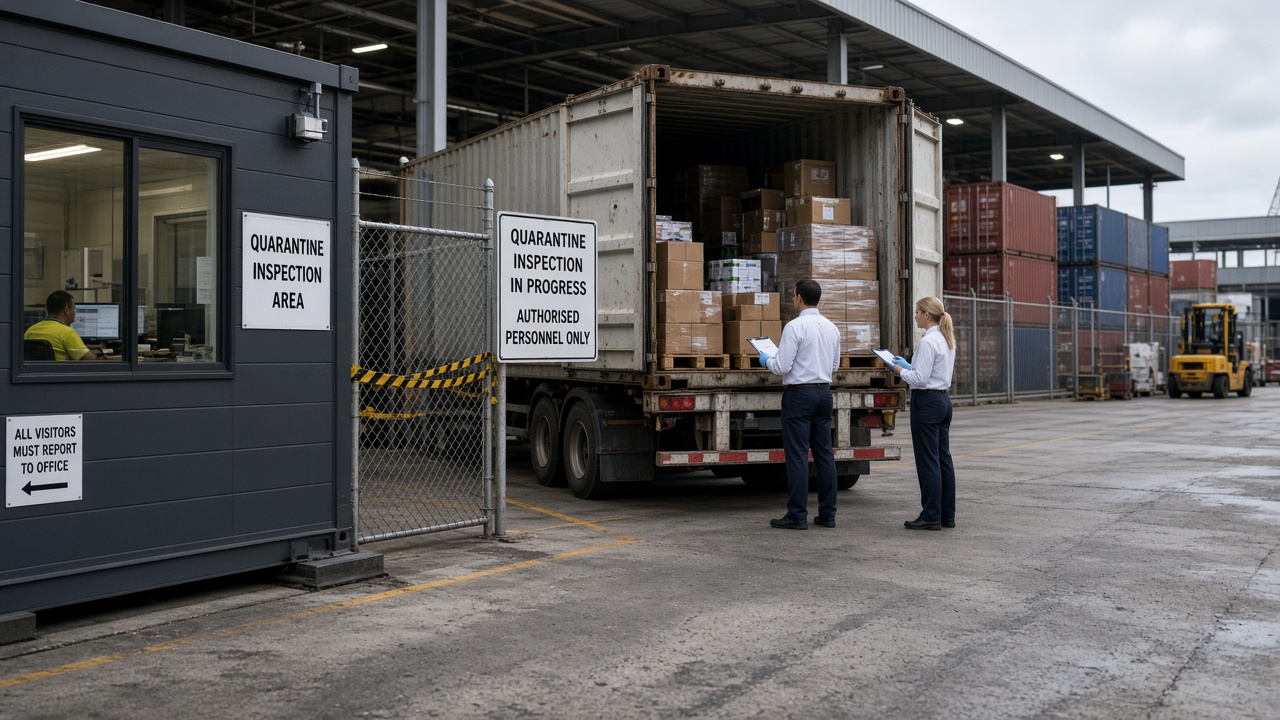
- Biosecurity referral and treatment coordination with Department of Agriculture, Fisheries and Forestry
- Anti-dumping and countervailing duty awareness for affected commodities
Export compliance
Exports may require export declarations, permit checks under defence trade controls, and destination country documentation. We screen parties against sanctions lists and verify that packaging meets import country standards to reduce refusal at foreign ports.

Audits and post-entry review
ABF and other agencies may audit historical entries. RKM Logistics retains shipment files for statutory periods and assists with retrieval and explanation. We recommend internal record-keeping practices that mirror customs data to simplify reconciliations.
Risk management
Compliance failures can result in penalties, seizure, or loss of import privileges. We treat denied party screening, incorrect valuation, and misclassification as serious risks mitigated through checklists, dual review on complex lines, and training updates when tariff notices change.
- Pre-arrival data capture for sea and air shipments
- Document matching workshop for new suppliers
- Periodic classification reviews when product ranges expand
Engage RKM Logistics early in product development or sourcing so compliance requirements inform landed cost before purchase orders are placed.
Tariff and trade agreement updates
Tariff schedules and free trade agreements evolve. RKM Logistics tracks changes affecting frequent client commodities and prompts reclassification reviews when new notices publish. Correct use of preferential rates requires valid certificates and consistent origin criteria — we assist suppliers overseas to complete them properly the first time.
Transfer pricing and related-party invoice values attract scrutiny on related-party imports. We encourage documentation that supports declared values and refer complex valuation questions to licensed brokers and tax advisers when appropriate.
Post-clearance audit readiness
Importers should maintain SKU-to-HS mapping and valuation worksheets accessible for Australian Border Force information requests. We help assemble chronologies and entry comparisons but rely on licensed brokers for legal classification opinions.
Proactive classification before marketing launches reduces remediation cost compared with retrospective review after revenue scales.