Port disruption contingency planning
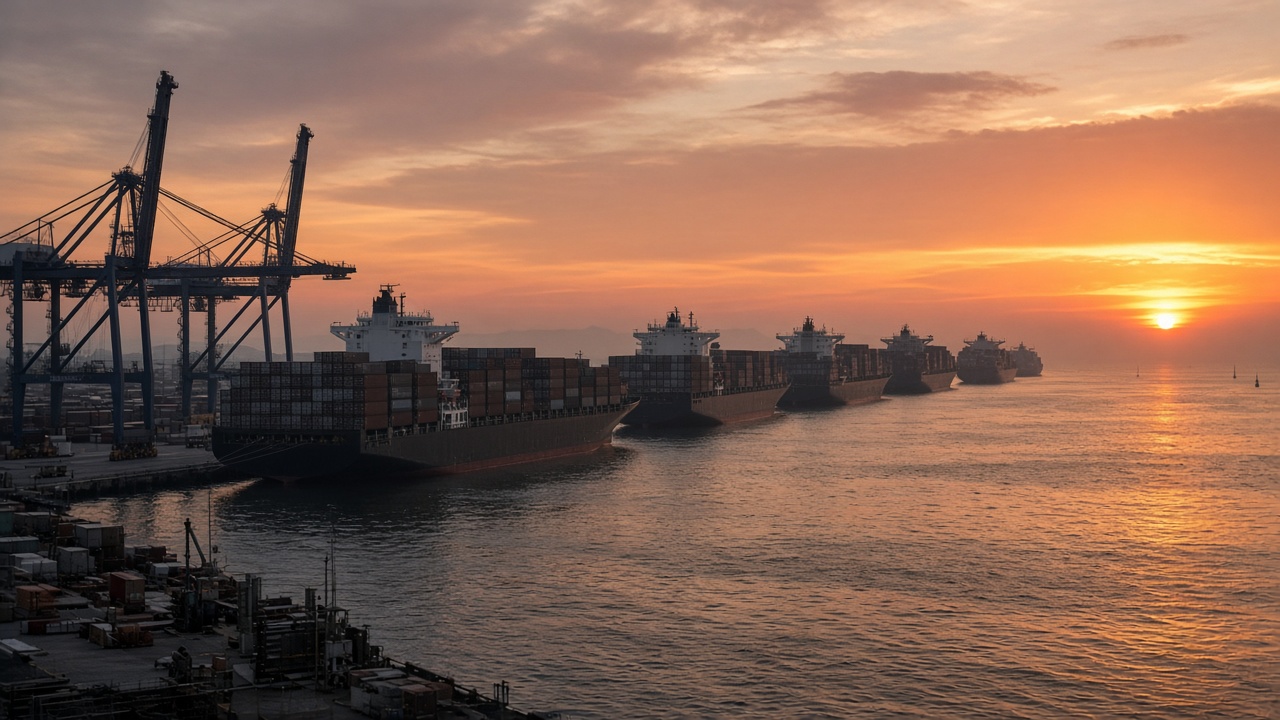
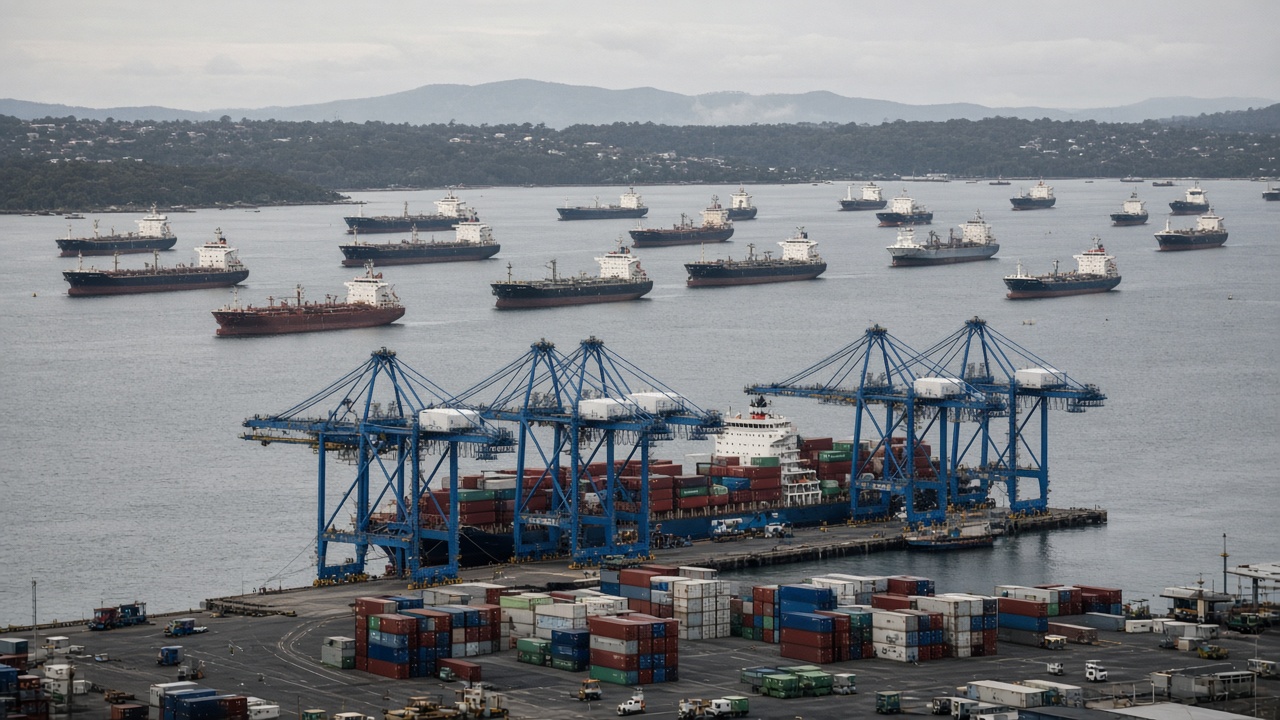
Port of Brisbane performance affects the entire SEQ import economy. Congestion, weather closures, and industrial action compress free time and inflate demurrage even when vessels arrive on schedule. RKM Logistics plans contingencies with clients rather than reacting solely from carrier notices.
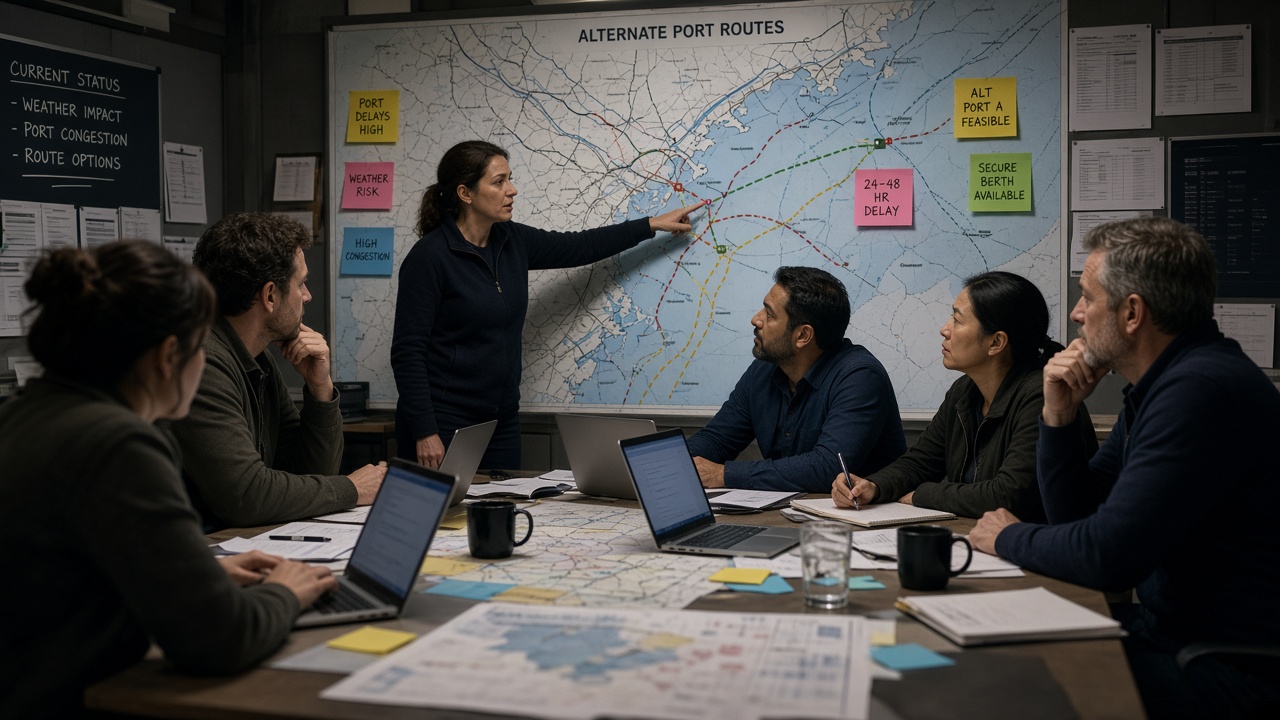
Effective buffers combine time, mode, and inventory — not just safety stock. For medium-value LCL, extending lead time by one vessel may cost less than expedited air for a partial shipment. For retail peaks, split bookings across two arrivals may reduce single-point failure.
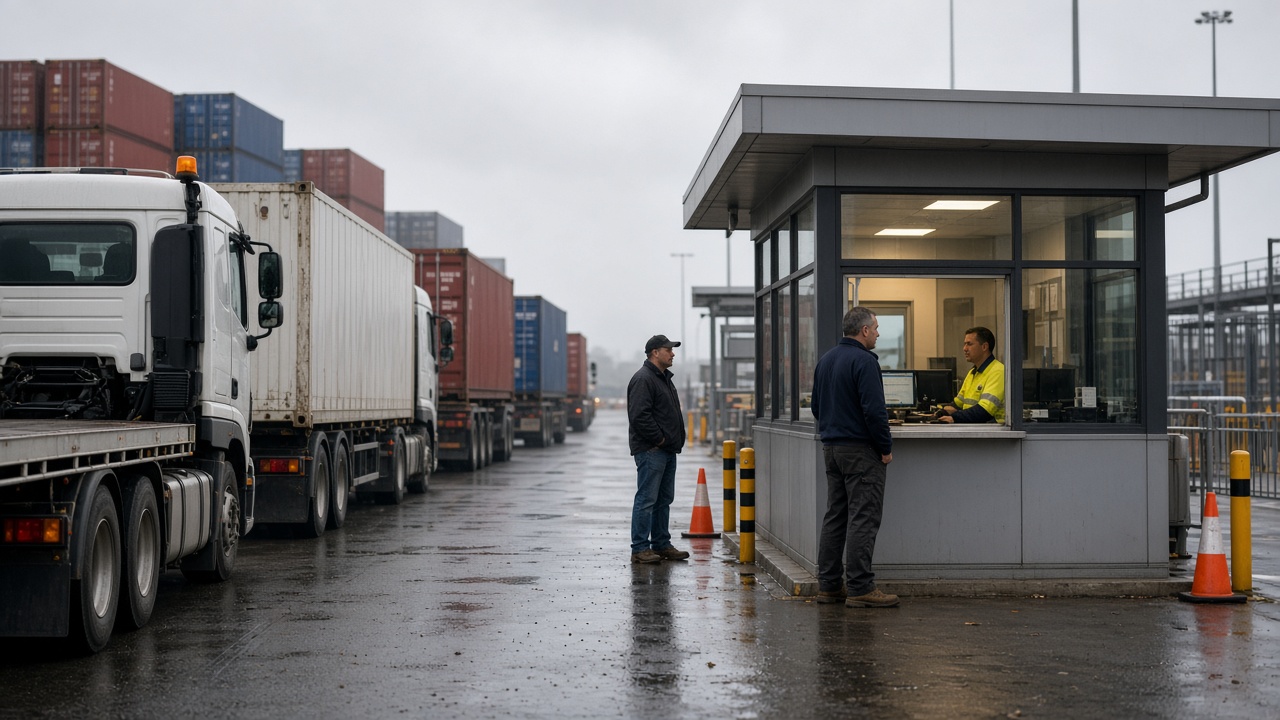
Road transport must be pre-authorised before availability events. Last-minute carrier bookings during terminal surges attract premium rates and missed retail appointments. We maintain lane calendars with clients who accept standing transport windows after release.
Communication discipline matters: distinguish rolled bookings from slow deconsolidation at CFS. Each requires different commercial responses — rebooking versus escalating CFS throughput with the consolidator.
Contingency planning is not pessimism; it protects promotional and project calendars from single-terminal dependency. Document agreed trigger points — for example, five days dwell — so decisions are made before storage charges compound.
Trigger points we recommend documenting
Agree in advance when to escalate: for example, container available for five business days without release, CFS deconsolidation exceeding quoted throughput, or road carrier cancellation within twelve hours of pickup. Written triggers prevent reactive air freight decisions made without finance visibility.
Split shipments and rolling bookings are commercial tools — not admissions of failure — when promotional or project calendars cannot absorb single-vessel risk.
Inventory and customer communication
Retail and project clients should align marketing or installation dates with buffer assumptions documented in writing. When terminals congest, proactive customer notice preserves trust even if dates move — silence forces clients to infer worst-case outcomes.
RKM Logistics maintains lane notes with preferred road carriers for post-release pickup; switching carriers during terminal surges without pre-qualification often produces missed retail appointments and secondary detention charges.